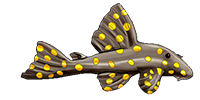
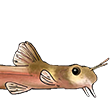
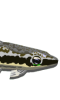


L081 is reported in DATZ to represent three very similar small spotted gold nugget plecos. Reportedly, the first is very hard to keep alive for any length of time; the others are considerably more hardy. While these fish may represent the range of population, it appears that the browner (as opposed to black) and finer the spots (amongst comparatively sized specimens) the more likely you are to have a hardy type. Little is know of what this fish looks like at adult size.
According to Vires, ''Dimorphism is difficult to notice unless the fish are at full breeding size. Probably the easiest way to sex these fishes is by the shape of their foreheads. Males have a flatter, more leveled slope to their foreheads and are slightly wider. Females have a more rounded forehead and are slightly plumper when in spawning condition. There is no noticeable difference in odontodal growth in either species.''
These fish are grazers, but not in the sense that they eat only vegetation. They actually sift and chew at the film of organic matter on hard surfaces in search of higher protein foods. In the wild this would constitute a variety of foods from small insect larvae and crustaceans to other animals eggs and possibly even recently dead animals. With this in mind, frozen foods such as bloodworm and blackworm should be offered along with frozen prawns. Algae and plants are avoided, but cucumber and courgette appear on the accepted menu. Accepted food morsel size changes with age in all of these fish.
Gold nuggets are territorial to other bottom dwellers and downright vicious to other gold nuggets. This stems from a desire to find and defend the best spawning cave, so take this into account if you plan to introduce these fish into a catfish tank. They do well in a community environment that fits their other requirements. Be careful with adult fish, they can kill each other in a crowded space.
Although strong currents are needed for breeding attempts, only good water quality and a high temperature are required for this fishes successful onward maintenance. Thus, characins are good biotope fish but you could look further afield at discus and gouramis. Most other cichlids tend to over compete for food with these fish, so be careful especially when introducing new gold nuggets.
- Show thumbnails of all species of Baryancistrus -
Search Planet Catfish for more on Baryancistrus sp. (L081)
- BBcode (for use in linking to this page from forum posts)
Has this page been useful? Please click on the paypal button to make a secure & direct donation to our monthly hosting costs - it makes a real difference to us and we'll record the good deed for posterity. Help keep us free for everyone to enjoy!