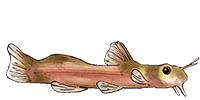
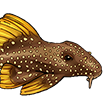


/siluriformes/mochokidae/synodontis/lucipinnis/1.jpg "Synodontis lucipinnis")
/siluriformes/mochokidae/synodontis/lucipinnis/2.jpg "Synodontis lucipinnis") Juveniles are very slow growing
Juveniles are very slow growing/siluriformes/mochokidae/synodontis/lucipinnis/3.jpg "Synodontis lucipinnis") Parents in spawning site
Parents in spawning site/siluriformes/mochokidae/synodontis/lucipinnis/4.jpg "Synodontis lucipinnis") Eggs partially hatched after 30 hours
Eggs partially hatched after 30 hours/siluriformes/mochokidae/synodontis/lucipinnis/5.jpg "Synodontis lucipinnis") Newly hatched fry
Newly hatched fry/siluriformes/mochokidae/synodontis/lucipinnis/6.jpg "Synodontis lucipinnis") Fry after 25 days
Fry after 25 days/siluriformes/mochokidae/synodontis/lucipinnis/7.jpg "Synodontis lucipinnis") Tank raised juveniles
Tank raised juveniles/siluriformes/mochokidae/synodontis/lucipinnis/8.jpg "Synodontis lucipinnis") Adult male
Adult male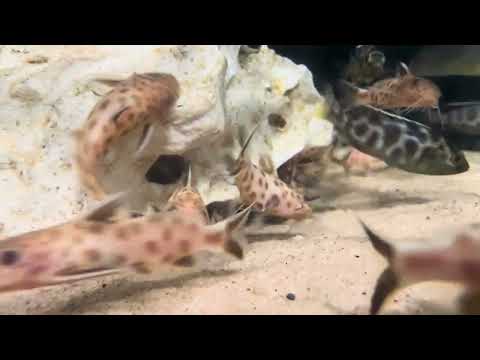 Video - Pink colour morph
 Video spawning
/siluriformes/mochokidae/synodontis/lucipinnis/11.jpg "Synodontis lucipinnis") Adult
Adult/siluriformes/mochokidae/synodontis/lucipinnis/12.jpg "Synodontis lucipinnis") Male (on right) chasing gravid female
Male (on right) chasing gravid female/siluriformes/mochokidae/synodontis/lucipinnis/13.jpg "Synodontis lucipinnis") Spawning in the open
Spawning in the open/siluriformes/mochokidae/synodontis/lucipinnis/14.jpg "Synodontis lucipinnis") Gravid female
Gravid female/siluriformes/mochokidae/synodontis/lucipinnis/15.jpg "Synodontis lucipinnis") Fry
Fry/siluriformes/mochokidae/synodontis/lucipinnis/16.jpg "Synodontis lucipinnis")
/siluriformes/mochokidae/synodontis/lucipinnis/17.jpg "Synodontis lucipinnis")
/siluriformes/mochokidae/synodontis/lucipinnis/18.jpg "Synodontis lucipinnis") Pair - female on left
Pair - female on left/siluriformes/mochokidae/synodontis/lucipinnis/19.jpg "Synodontis lucipinnis")
/siluriformes/mochokidae/synodontis/lucipinnis/20.jpg "Synodontis lucipinnis")
/siluriformes/mochokidae/synodontis/lucipinnis/21.jpg "Synodontis lucipinnis")
/siluriformes/mochokidae/synodontis/lucipinnis/22.jpg "Synodontis lucipinnis") Close-up of head
Close-up of head/siluriformes/mochokidae/synodontis/lucipinnis/23.jpg "Synodontis lucipinnis") Juvenile
Juvenile/siluriformes/mochokidae/synodontis/lucipinnis/24.jpg "Synodontis lucipinnis")
 Cat-eLog Data Sheet Cat-eLog Data Sheet | |
|---|---|
| Scientific Name | Synodontis lucipinnis Wright & Page, 2006 |
| Common Names | Dwarf Lake Syno Dværggøgemalle (Denmark), False Cuckoo Catfish, Petricola Dwarf Syno, Pink Dwarf Lake Syno |
| Type Locality | Musende Rocks, Zambia, Lake Tanganyika, 8°46'00''S, 31°07'00''E. |
| Pronunciation | sin oh don tiss - loo see pin niss |
| Etymology | According to Cuvier, Synodontis is an "ancient name for an undetermined fish from the Nile". It is not derived, as often reported, from syn-, together and odous, tooth, presumed etymology of the lizardfish genus Synodus and refers to the closely-spaced lower jaw teeth of both genera. From the Latin luci, meaning bright or clear, and pinnis, meaning fin. In reference to the light patches found at the base of the black triangles on the rayed fins. |
| Articles |  - CotM - CotM  2001 June 2001 June |
| Species Information | |
| Size | 79mm or 3.1" SL. Find near, nearer or same sized spp. |
| Identification | All species in the genus Synodontis have a hardened head cap that has attached a process (humeral process) which is situated behind the gill opening and pointed towards the posterior. The dorsal fin and pectoral fins have a hardened first ray which is serrated. Caudal fin is always forked. There is one pair of maxillary barbels, sometimes having membranes and occasionally branched. The two pairs of mandibular barbels are often branched and can have nodes attached. The cone-shaped teeth in the upper jaw are short. S-shaped and movable in the lower jaw. These fish produce audible sounds when disturbed rubbing the base of the pectoral spine against the pectoral girdle. Similar to other described catfish from the lake. The cuckoo catfish, Synodontis multipunctatus, is the most common import and you, occasionally, may also encounter S. polli, S. dhonti and S.tanganyicae. All sport the distinctive white barbels and are spotted as juveniles to some degree or other and thus another form of quick identification prevails - S. petricola and S. lucipinnis are the only species with a solid white leading dorsal and pectoral fin ray and the spotted body pattern. This fish however appears to be growing to a smaller mature size than S. petricola and is less heavily spotted in comparison. S. petricola can be differentiated from S. lucipinnis by the former having smaller spots on the head than the body spots. |
| Sexing | See male and female image above. |
| Habitat Information | |
| Distribution | Africa: Lake Tanganyika. African Waters, Western Rift Valley Lakes, Tanganyika (click on these areas to find other species found there) Login to view the map. |
| IUCN Red List Category | Not Evaluated |
| pH | 6.5 - 8.5 |
| Temperature | 22.0-24.0°C or 71.6-75.2°F (Show species within this range) |
| Other Parameters | Surprisingly this species reproduces in less than neutral pH water condition much removed from those found in it's native habitat. |
| Husbandry Information | |
| Feeding | A very easy fish to feed. All prepared foods are accepted and the fish will eat heavily thus making conditioning a relatively simple task. User data. |
| Furniture | Bogwood is utilised although rock clusters appear more preferable. Seems to enjoy long, tall, flowing plants such as giant Vallisneria. |
| Compatibility | A social species tolerant of their own kind and unimposing. |
| Suggested Tankmates | Given that the fish doesn't require the water conditions normally associated with rift valley cichlids this renders virtually any aquarium fish of a suitable size and disposition a good tankmate. It's a community catfish for the masses! |
| Breeding | Reports are mixed as to whether this species is or is not a cuckoo spawner, possibly due to incorrect determination of species that have spawned. Videoed spawnings indicate that it is not a parasitic ''cuckoo'' spawner but rather an egg scatterer. See Catfish of the month article. |
| Breeding Reports | There are 6 breeding reports, read them all here. |
| Further Information | |
| Reference | Bulletin of the Florida Museum of Natural History v. 46 (no. 4), pp 126, Figs. 4A, 19 |
| Registered Keepers | There are 168 registered keepers, view all "my cats" data. |
| Wishlists | Love this species? Click the heart to add it to your wish list. There are 5 wishes to keep this species, see who wants what. |
| Spotters | Spotted this species somewhere? Click the binoculars! There are 45 records of this fish being seen, view them all. |
| Forum BBCode | |
| Search for S. lucipinnis | |
 | Look up S. lucipinnis on AquaticRepublic.com |
 | Look up S. lucipinnis on Fishbase |
 | Look up S. lucipinnis on Encyclopedia of Life |
 | Look up S. lucipinnis on Global Biodiversity Information Facility |
| LFS label creator ARN ref:1.13.29.103 | |
| Last Update | 2025 Jan 02 01:37 (species record created: 2001 Apr 21 00:00) |